 FREE SHIPPING ON ORDERS OVER $100.00
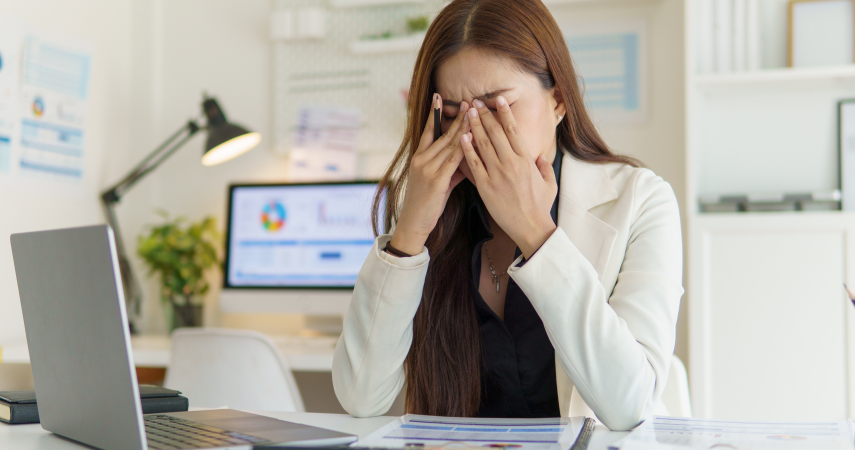

Anxiety can appear suddenly—during a busy workday, late at night, or even in moments when everything seems fine. When your mind races and your body feels tense, you don’t always have time for long meditation sessions or complex routines. That’s why learning quick relaxation techniques for anxiety is essential for modern life, especially when supported by simple wellness tools like a stress reduction patch.
At Miracle, we believe calm should be accessible, natural, and easy to practice—anytime, anywhere. This guide shares fast, proven relaxation techniques that can help you regain control, calm your nervous system, and feel grounded within minutes. Many people also enhance these practices by using a stress reduction patch as part of their daily routine.
Whether you’re dealing with daily stress, occasional anxiety, or emotional overwhelm, these techniques are designed to work quickly and gently, on their own or alongside a stress reduction patch for ongoing support.
What Is Anxiety and Why Quick Relaxation Matters
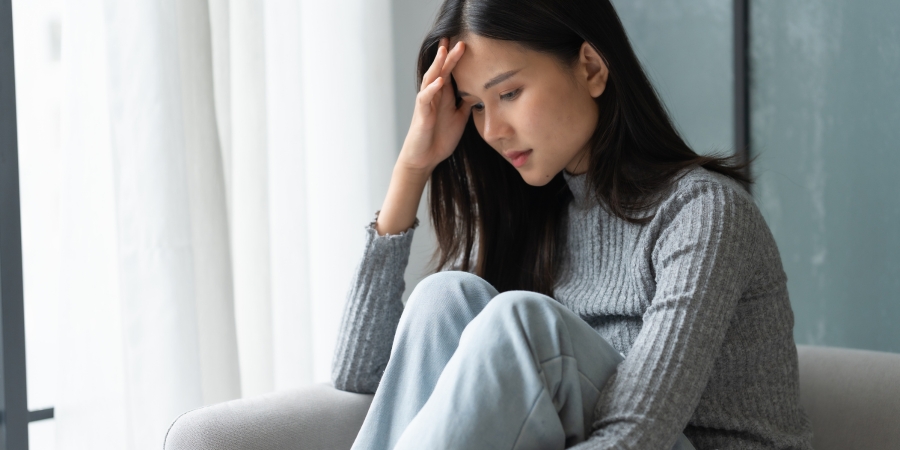
Anxiety is the body’s natural response to stress. It prepares you to face challenges, but when it becomes frequent or intense, it can affect your sleep, focus, digestion, and overall well-being.
Common symptoms include:
- Rapid heartbeat
- Shallow breathing
- Muscle tension
- Racing thoughts
- Restlessness or fatigue
Quick relaxation techniques help interrupt this stress response. They signal your nervous system to shift from fight-or-flight mode into rest-and-restore mode—often in just a few minutes. This calming shift can feel more consistent when combined with supportive methods like a stress reduction patch.
1. Deep Breathing: The Fastest Way to Calm Anxiety
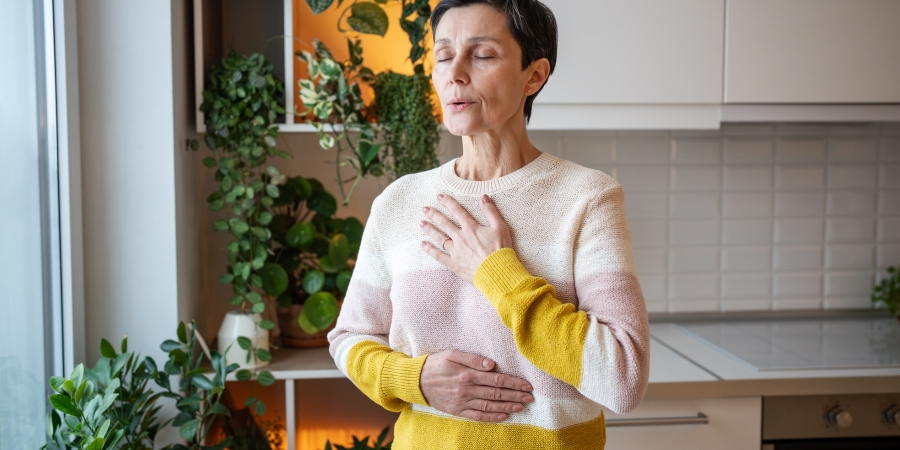
One of the most effective quick relaxation techniques for anxiety is deep, controlled breathing.
How to Practice
- Inhale slowly through your nose for 4 seconds
- Hold your breath for 4 seconds
- Exhale gently through your mouth for 6 seconds
- Repeat for 2–3 minutes
This method lowers heart rate and reduces stress hormones almost immediately.
Miracle Tip: Place one hand on your chest and one on your abdomen. Focus on breathing into your belly rather than your chest. This calming breathing technique pairs especially well with stress reduction patches during high-pressure or anxiety-inducing moments.
2. Progressive Muscle Relaxation (PMR)
Anxiety often hides in the body as muscle tension. Progressive muscle relaxation helps release that tension quickly.
How It Works
- Tighten one muscle group for 5 seconds
- Release and relax for 10 seconds
- Move slowly from feet to head
This technique is especially helpful during panic or physical restlessness.
3. The 5-4-3-2-1 Grounding Technique
When anxiety pulls your thoughts into the future, grounding brings you back to the present moment.
Steps
- Name 5 things you can see
- 4 things you can feel
- 3 things you can hear
- 2 things you can smell
- 1 thing you can taste
This is one of the most popular quick relaxation techniques for anxiety because it works anywhere—at work, in traffic, or at home.
4. Gentle Neck and Shoulder Release
Stress commonly settles in the neck and shoulders, worsening anxiety symptoms.
Quick Exercise
- Roll shoulders backward 10 times
- Gently tilt head side to side
- Drop your chin toward your chest and breathe deeply
Just 2 minutes of gentle movement can significantly reduce tension.
5. Visualization for Instant Calm
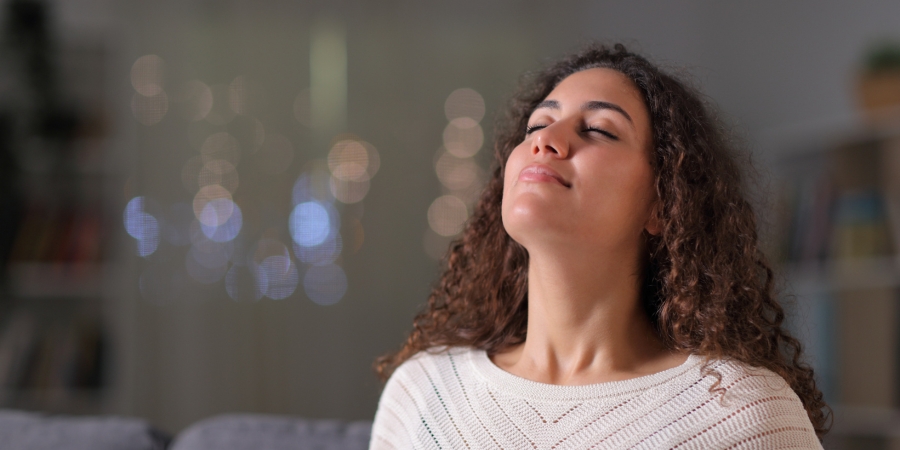
Your mind responds strongly to imagery. Visualization can create a calming effect almost instantly.
How to Do It
Close your eyes and imagine:
- A quiet beach
- A peaceful forest
- A safe, warm space
Engage your senses—hear the sounds, feel the air, notice colors. This technique is highly effective for anxiety relief in short periods.
6. Aromatic Relaxation for Anxiety Support
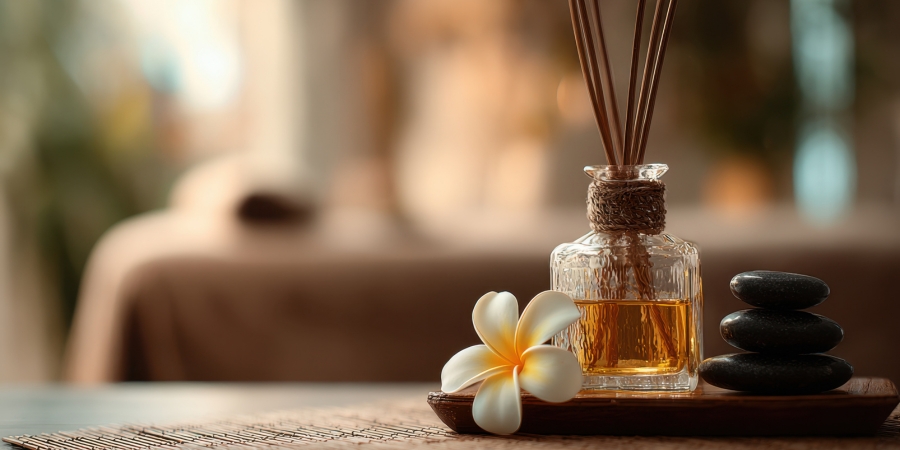
Natural aromas can support emotional balance and relaxation.
Scents like lavender, sandalwood, or citrus are often used to promote calm. Pairing breathing techniques with soothing aromas enhances the relaxation response.
Miracle Insight: Combining mindful breathing with natural wellness rituals creates deeper and faster relaxation.
7. The Power of Slow, Intentional Touch
Simple actions like:
- Rubbing your palms together
- Pressing feet firmly into the ground
- Gently massaging your hands
can signal safety to your nervous system. These actions are subtle but powerful.
8. One-Minute Mind Reset Technique
If you only have one minute, try this:
- Close your eyes
- Take 3 slow breaths
- Say silently: “I am safe right now.”
This simple affirmation combined with breath can instantly reduce anxious thought loops.
9. Reduce Anxiety with Sound and Silence
Sound has a direct impact on the nervous system.
Helpful options include:
- Soft instrumental music
- Nature sounds (rain, ocean, birds)
- Gentle humming
Humming stimulates the vagus nerve, which promotes relaxation and emotional regulation.
10. Create a Quick Relaxation Routine
Consistency matters. Choose 2–3 techniques and practice them daily—even when you feel calm.
A simple routine:
- Morning: deep breathing (2 minutes)
- Afternoon: shoulder release (2 minutes)
- Evening: visualization or grounding (3 minutes)
This trains your body to relax faster over time.
How Long Do Quick Relaxation Techniques Take to Work?
Most techniques begin working within 1–5 minutes. The key is regular practice. The more often you practice relaxation, the faster your body responds during anxiety.
Who Can Benefit from These Techniques?
Quick relaxation techniques for anxiety are helpful for:
- Working professionals
- Students
- Parents
- Seniors
- Anyone experiencing stress or emotional overload
They are gentle, non-invasive, and suitable for daily use.
Miracle’s Approach to Calm and Balance
At Miracle, we believe relaxation should feel simple, natural, and empowering. Anxiety doesn’t mean something is wrong—it means your body is asking for care and balance. By practicing quick relaxation techniques, you can respond with kindness instead of fear.
Natural Relaxation Techniques That Fit Modern Life
Learning quick relaxation techniques for anxiety gives you a powerful tool you can use anytime life feels overwhelming. With regular practice, these simple methods help calm the mind, relax the body, and restore emotional balance.
Take a breath. Slow down. Choose calm.
That’s the Miracle way—gentle, natural, and supportive of your everyday well-being.
Frequently Asked Questions
Q1. What are quick relaxation techniques for anxiety?
Quick relaxation techniques for anxiety are simple practices that help calm the mind and body within minutes. These include deep breathing, grounding exercises, muscle relaxation, and visualization methods that reduce stress naturally.
Q2. What is the fastest way to calm anxiety?
The fastest way to calm anxiety is slow, deep breathing. Inhaling through the nose and exhaling slowly through the mouth helps lower heart rate and relax the nervous system almost immediately.
Q3. Can anxiety be reduced in under five minutes?
Yes, anxiety can often be reduced in under five minutes using techniques such as controlled breathing, the 5-4-3-2-1 grounding method, or gentle muscle relaxation.
Q4. Are quick relaxation techniques safe for daily use?
Yes, these techniques are completely safe and can be practiced daily. Regular use can improve emotional balance and help the body respond better to stress over time.
Q5. Do relaxation techniques work for panic attacks?
Quick relaxation techniques can help reduce the intensity of panic symptoms by calming the nervous system and bringing awareness back to the present moment.
Q6. Can relaxation techniques help with anxiety at work?
Yes, many techniques—such as deep breathing and grounding—can be done discreetly at work to manage stress and regain focus quickly.
Q7. How often should I practice relaxation techniques?
For best results, practice relaxation techniques once or twice daily, even when you feel calm. This builds resilience and faster anxiety relief when needed.